Best Hip Replacement Doctor in Andheri, Mumbai
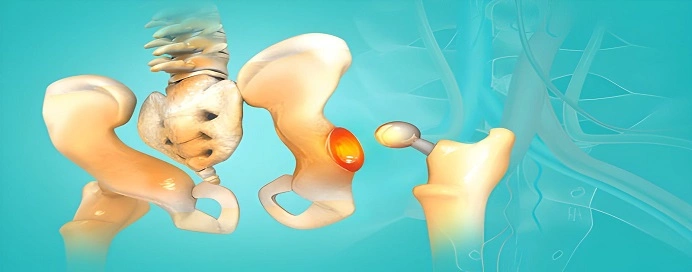
Hip replacement surgery, also known as hip arthroplasty, is a procedure used to replace a damaged hip joint with artificial components. It is generally discussed when conditions such as advanced arthritis, avascular necrosis, or significant joint damage lead to persistent pain, stiffness, and difficulty with movement or daily activities.Best Hip Replacement Doctor in Andheri, Mumbai
Whether hip replacement is a good fit depends on the reason the joint is damaged. The severity matters as well. Doctors also look at exam results and imaging reports. They consider your overall health and past response to medicines. Non-surgical care may be tried first, depending on your case.
Dr. Parth Mehta works as an orthopedic Doctor in Andheri, Mumbai. He has an MBBS and a DNB in Orthopaedics. He finished extra fellowship training for Hip and Knee Arthroplasty. In his practice, he evaluates and treats people with hip pain, arthritis, and other joint issues. After assessment, some patients may be advised to consider hip replacement.
Overview of Hip Replacement Surgery
Hip replacement surgery, also called hip arthroplasty, replaces damaged portions of the hip joint with artificial components. The hip works as a ball and socket. The femoral head forms the ball, and the acetabulum forms the socket. If the joint is badly damaged, simple movement can hurt. Over time, daily tasks can feel much harder than before. Check the reviews.
Common Types of Hip Replacement
Total Hip Replacement: Both the damaged femoral head and the affected surface of the hip socket are replaced with artificial components.
Partial Hip Replacement: Usually involves replacing the femoral head while preserving the natural hip socket. This approach is used in selected situations, including certain hip fractures.
Symptoms
Hip symptoms that persist despite non-surgical treatment and interfere with normal activities may indicate the need for further orthopedic assessment. Common symptoms include:
- Persistent or worsening hip pain
- Pain while walking or standing
- Difficulty climbing stairs
- Reduced hip movement
- Hip stiffness
- Difficulty getting up from a chair
- Difficulty walking for usual distances
- Pain during daily activities
- Pain that may occur during rest or at night
- Difficulty performing routine activities despite conservative treatment
Conditions That May Require Hip Replacement
- Osteoarthritis - Osteoarthritis can gradually wear down the cartilage covering the hip joint. As the condition progresses, patients may experience pain, stiffness, reduced movement, and difficulty with walking or other activities.
- Rheumatoid Arthritis - Rheumatoid arthritis can cause chronic inflammation within the joint. Over time, this inflammation may contribute to damage of the cartilage and bone.
- Avascular Necrosis - Avascular necrosis occurs when the blood supply to the femoral head is reduced, potentially causing bone damage and collapse. Advanced cases can require hip replacement when the joint is significantly affected.
- Hip Fractures and Trauma - Certain fractures and significant injuries involving the hip can damage the joint or femoral head. Depending on the type and severity of injury, hip replacement may be considered.
- Developmental or Structural Hip Conditions - Some patients may have structural abnormalities or developmental conditions affecting the hip joint. Progressive joint damage may result in pain, stiffness, and reduced function.
Benefits of Hip Replacement Surgery
- Pain Relief: May reduce pain associated with significant hip joint damage.
- Improved Mobility: May help improve walking and functional movement.
- Better Daily Function: Can make activities such as walking, climbing stairs, and getting up from a chair easier.
- Improved Quality of Life: Reduced pain and improved mobility may help patients participate more comfortably in daily activities.
- Greater Independence: Improved hip function may reduce dependence on assistance for routine activities.
Non-Surgical Treatment Before Hip Replacement
Hip replacement is not automatically required for every patient with hip pain or arthritis. For many patients, treatment may begin with non-surgical measures based on the diagnosis and severity of symptoms.
Treatment options may include:
- Activity modification
- Physiotherapy and strengthening exercises
- Weight management where appropriate
- Pain-relieving medication
- Anti-inflammatory medication when clinically suitable
- Walking or mobility aids when required
- Injections in selected cases
- Lifestyle modifications
Hip Replacement Surgical Options
- Total Hip Replacement - Total hip replacement involves replacing the damaged femoral head and the affected surface of the acetabulum with artificial components. It is commonly considered for advanced hip joint damage.
- Partial Hip Replacement - Partial hip replacement generally replaces the femoral head while retaining the natural socket. It may be appropriate in selected patients, particularly certain hip fracture cases.
- Minimally Invasive Hip Replacement - This approach uses smaller incisions and specialized surgical techniques. Suitability is determined by factors such as hip anatomy, joint condition, and the planned procedure.
- Hip Resurfacing - Hip resurfacing preserves more of the patient's natural femoral bone by placing a cap over the femoral head. It is suitable only for selected patients after detailed evaluation.
When Should You Consult a Hip Replacement Doctor?
- Persistent hip pain
- Increasing difficulty walking
- Hip stiffness affecting movement
- Pain that interferes with sleep
- Difficulty climbing stairs
- Difficulty performing daily activities
- Reduced hip movement
- Hip arthritis diagnosed through evaluation
- Previous hip injury or fracture
- Symptoms that continue despite non-surgical treatment
Why Choose Dr. Parth Mehta for Hip Replacement?
Dr. Parth Mehta, MBBS, DNB Orthopaedics, with advanced fellowship training in Hip & Knee Arthroplasty, provides orthopedic evaluation and personalized treatment planning for patients with hip pain, arthritis, and joint conditions in Andheri, Mumbai. Call 098702 92225.
Conclusion
Dr. Parth Mehta offers hip and knee arthroplasty care in Andheri, Mumbai.Hip replacement is an established treatment option for advanced hip joint problems that affect movement and quality of life. A specialist consultation can help you understand the available treatment choices.
Dr. Parth Mehta offers hip and knee arthroplasty care in Andheri, Mumbai.
Call 098702 92225 to book a consultation.
Frequently Asked Questions (FAQs)
Q.1. Who is the Best Hip Replacement Doctor in Andheri, Mumbai?
Ans - Dr. Parth Mehta is an orthopedic doctor in Andheri, Mumbai, with MBBS, DNB in Orthopaedics, and advanced fellowship training in Hip & Knee Arthroplasty. He evaluates patients with hip pain, arthritis, joint damage, and conditions that may require hip replacement.
Q.2. When is hip replacement surgery recommended?
Ans - It is usually discussed when hip pain and joint damage significantly affect mobility, sleep, or everyday activities despite appropriate non-surgical care.
Q.3. What conditions may lead to hip replacement?
Ans - Conditions that may lead to hip replacement include osteoarthritis, rheumatoid arthritis, avascular necrosis, certain hip fractures or injuries, and some structural or developmental hip conditions.
Q.4. What is total hip replacement?
Ans - Total hip replacement involves replacing the damaged femoral head and affected surface of the hip socket with artificial components.
Q.5. What is partial hip replacement?
Ans - Partial hip replacement generally replaces the damaged femoral head while retaining the natural hip socket. It is used for certain conditions, including some hip fracture cases.
Q.6. Can hip arthritis be treated without surgery?
Ans - Yes. Early or moderate hip arthritis can often be managed with measures such as physiotherapy, activity modification, medication, weight management, and injections when appropriate.
Q.7. What are the symptoms of severe hip arthritis?
Ans - Severe hip arthritis may cause ongoing pain, stiffness, reduced hip movement, difficulty walking, and problems with stairs or routine activities.
Q.8. How long does recovery after hip replacement take?
Ans - Recovery varies between patients. Physiotherapy, gradual activity progression, general health, age, surgical technique, and rehabilitation can influence the recovery process.
Q.9. Can hip replacement improve walking?
Ans - For appropriately selected patients, hip replacement may reduce pain and improve hip function, which can support better walking and daily mobility.
Q.10. Is hip replacement suitable for everyone with hip pain?
Ans - No. Hip replacement is intended for specific forms of significant joint damage. An orthopedic assessment can help identify the cause of hip pain and determine whether surgery or another treatment is more suitable.
Book a Hip Replacement Consultation in Andheri, Mumbai
Treatment recommendations are tailored to the patient's hip condition, symptoms, mobility, and diagnostic findings.
Dr. Parth Mehta provides personalized hip replacement consultations and orthopedic care for patients in Andheri, Mumbai, based on their symptoms, examination, imaging, and individual treatment needs.
Call 098702 92225 to book an appointment.

