Best Ligament Injury Doctor in Vile Parle, Mumbai
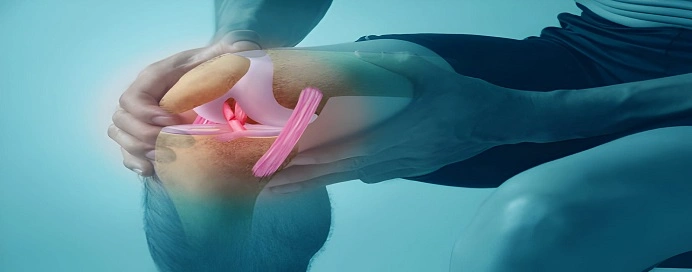
Dr. Parth Mehta is an Orthopedic Doctor in Vile Parle, Mumbai, who evaluates ligament injuries, knee problems, sports-related injuries, and other orthopedic conditions. Patients looking for the Best Ligament Injury Doctor in Vile Parle, Mumbai can receive an orthopedic assessment to understand the extent of the injury and suitable treatment options.
Ligaments are tough bands of tissue. They link bones to each other. They also help keep joints steady. A ligament can get hurt when it is pulled past its usual limits. It may tear only in part. In some cases it can fully rupture. These injuries often happen during sports. They can also occur with a sudden twist. Falls and accidents raise the risk too. A direct hit can also damage a ligament. The knee and ankle are common sites.
If a ligament injury is not treated, pain can linger. Swelling may last as well. You may notice weak muscles and less range of motion. Joint instability can also develop over time. Getting checked by an orthopedist early can clarify what happened. It can show how severe the problem is. It can also guide the next steps for care.
What Is a Ligament Injury?
A ligament injury occurs when one or more ligaments around a joint are stretched beyond their normal range or damaged. Ligaments help keep a joint lined up when you move. When a ligament is hurt, the joint may begin to ache. It may also look puffy. Some people notice the area does not feel stable.
Common ligament injuries include:
- Anterior Cruciate Ligament (ACL) injury
- Posterior Cruciate Ligament (PCL) injury
- Medial Collateral Ligament (MCL) injury
- Lateral Collateral Ligament (LCL) injury
- Ankle ligament injuries
- Shoulder ligament injuries
Knee ligament injuries are common in activities that involve running, jumping, sudden stops, or rapid changes in direction.
Common Causes of Ligament Injuries
Ligament damage can result from different types of trauma or excessive stress on a joint.
Common causes include:
- Sudden twisting or pivoting movements
- Sports-related injuries
- Falls and slips
- Road traffic accidents
- Direct impact to a joint
- Incorrect landing after jumping
- Overstretching during physical activity
- Sudden changes in direction while running
Football, cricket, basketball, badminton, tennis, and other high-impact sports can increase the risk of knee and ankle ligament injuries.
Symptoms of a Ligament Injury
Symptoms depend on the ligament involved and the severity of the damage.
Common symptoms include:
- Sudden pain following an injury
- Swelling around the affected joint
- Bruising
- Tenderness
- Difficulty walking or putting weight on the joint
- Reduced range of motion
- Joint instability
- A feeling that the knee may give way
- Difficulty performing sports or physical activities
- A popping sensation at the time of injury
Grades of Ligament Injury
Grade 1 (Mild Sprain)
- Minor stretching of the ligament
- Mild pain and swelling
- Joint remains stable
Grade 2 (Partial Tear)
- Partial damage to the ligament
- Moderate pain, swelling, and instability
- Functional limitations may be present
Grade 3 (Complete Tear)
- Complete rupture of the ligament
- Significant instability
- Often requires surgical evaluation
Treatment for Ligament Injuries
Rest and Activity Modification - Limiting activities that stress the injured ligament promotes healing.
Ice Therapy - Applying ice helps reduce swelling and pain during the initial phase.
Compression and Elevation - These measures can help control swelling and provide support during the early recovery period.
Physiotherapy and Rehabilitation - A structured rehabilitation program can help restore strength, flexibility, balance, coordination, and joint stability.
Bracing - Supportive braces may be recommended to protect the joint during healing.
When Is Ligament Surgery Required?
Some ligament injuries do not need an operation. Surgery might come up if the ligament is fully torn and the joint still feels very unstable. This is more likely to be discussed in people who are very active, including some athletes. Check the reviews.
Surgery may also be considered when:
- There is a significant complete ligament tear
- Persistent instability affects daily activities
- Multiple ligaments are injured
- The injury is associated with other structural damage
- Rehabilitation does not adequately restore function
- The patient needs to return to a high level of sporting activity
For selected knee ligament injuries, procedures such as ACL reconstruction may be used to restore knee stability and function.
The decision about surgery considers factors such as the patient's age, activity level, injury pattern, symptoms, physical examination, and imaging results.
Recovery and Rehabilitation After Ligament Injury
Recovery varies according to the type and severity of the injury and the treatment provided. Rehabilitation is an important part of both non-surgical and surgical management.
- Controlled exercises
- Muscle strengthening
- Flexibility training
- Balance exercises
- Joint stability exercises
- Gradual increase in activity
- Sport-specific rehabilitation when appropriate
- Follow-up orthopedic assessments
Returning to demanding physical activities too quickly can increase the risk of reinjury. A gradual return based on functional recovery is generally preferred.
How to Prevent Ligament Injuries
Although not every ligament injury can be prevented, several measures can reduce the risk.
- Warm up before exercise or sports
- Strengthen the muscles supporting the joints
- Maintain flexibility
- Practice proper sports techniques
- Use appropriate footwear
- Improve balance and coordination
- Increase training intensity gradually
- Take adequate recovery periods
- Avoid exercising through significant pain
Why Choose Dr. Parth Mehta for Ligament Injury Treatment?
Dr. Parth Mehta has completed MBBS, DNB in Orthopaedics, and advanced fellowship training in Hip & Knee Arthroplasty. He provides individualized evaluation and treatment planning for ligament injuries, knee pain, sports injuries, ligament tears, and joint instability.Best Ligament Injury Doctor in Vile Parle, Mumbai
Dr. Parth Mehta considers the injury pattern, symptoms, examination findings, scans, and the patient's activity level when planning treatment. For a ligament injury consultation in Vile Parle, Mumbai, call 098702 92225.
Conclusion
Ligament injuries can affect joint stability, movement, and daily activities. Early orthopedic evaluation can help determine the severity of the injury and whether treatment with physiotherapy, bracing, medication, or surgical intervention is appropriate.
If you are looking for the Best Ligament Injury Doctor in Vile Parle, Mumbai , Dr. Parth Mehta offers orthopedic assessment and treatment planning based on the nature and severity of your injury. For a consultation, call 098702 92225 .
Frequently Asked Questions About Ligament Injuries
Q.1. What is a ligament injury?
Ans - A ligament injury occurs when a ligament is stretched, partially torn, or completely ruptured. It commonly affects the knee, ankle, shoulder, and other joints.
Q.2. What are the common symptoms of a ligament injury?
Ans - Common symptoms include pain, swelling, bruising, reduced movement, tenderness, joint instability, difficulty walking, and a popping sensation at the time of injury.
Q.3. What causes ligament injuries?
Ans - Ligament injuries can result from sports activities, sudden twisting or pivoting, falls, accidents, direct impact, or overstretching during physical activity.
Q.4. How is a ligament injury diagnosed?
Ans - An orthopedic doctor may perform a physical examination and recommend imaging tests such as X-rays or MRI to assess the ligament and identify associated injuries.
Q.5. Can a ligament injury heal without surgery?
Ans - Yes. Some ligament injuries can be managed with rest, activity modification, physiotherapy, bracing, and other non-surgical treatments. The recommended approach depends on the ligament involved and the extent of the injury.
Q.6. When is surgery needed for a ligament injury?
Ans - Surgery may be recommended for certain complete ligament tears, persistent joint instability, multiple ligament injuries, or injuries affecting an individual's required level of physical activity.
Q.7. How long does it take to recover from a ligament injury?
Ans - Recovery time depends on the injured ligament, severity of the tear, treatment, and rehabilitation progress. Your orthopedic doctor can assess your condition and discuss an expected recovery timeline.
Q.8. Can physiotherapy help with ligament injuries?
Ans - Yes. Physiotherapy can help improve muscle strength, flexibility, balance, joint stability, and movement while supporting a gradual return to daily or sporting activities.
Q.9. When should I see a ligament injury doctor in Vile Parle?
Ans - You should consider an orthopedic consultation if you experience persistent pain, swelling, joint instability, difficulty walking, or reduced movement following an injury.
Q.10. Who is the Best Ligament Injury Doctor in Vile Parle, Mumbai?
Ans - Dr. Parth Mehta provides orthopedic consultation and treatment planning for patients with ligament-related problems in Vile Parle, Mumbai. To schedule a consultation, call 098702 92225.
Book a Ligament Injury Consultation in Vile Parle, Mumbai
Persistent pain, swelling, or instability after a knee or joint injury should be evaluated by an orthopedic doctor. An assessment can help identify the extent of ligament damage and guide the next steps.
Dr. Parth Mehta provides orthopedic consultations for patients with ligament injuries and related joint problems in Vile Parle, Mumbai.
Call 098702 92225 to schedule a consultation.
Service Areas
Vile Parle | Vile Parle East | Vile Parle West | Irla | JVPD Scheme | Vile Parle Station | Juhu | Santacruz | Andheri East | Andheri West |

